Ground-Truthing in Mauritius
- Lead PI: Professor Peter Coleman
-
Unit Affiliation: Advanced Consortium on Cooperation, Conflict, and Complexity (AC4)
- August 2019 - Ongoing
- Active
- Africa ; Mauritius
- Project Type: Research
DESCRIPTION: To learn from the wisdom of societies that have sustained peace for generations, and from the experiences of those working to build peace and transition from violence, the Sustaining Peace project has worked to engage communities in creating, refining, and modeling scholarly understandings of peace. This initiative explores what it takes to sustain peace in societies through the experiences of a wide swath of community peace experts – including teachers and students, artists and laborers, nurses and prisoners, mothers and mayors – from societies around the globe.
OUTCOMES: Reports geared towards local stakeholders; Video series of local stories of peace; Academic article that highlights Mauritius as a case study of a peaceful society
RESEARCH TEAM:
Joshua Fisher, Naseem Aumeerally, Allegra Chen-CarrelEXTERNAL COLLABORATORS:
University of Mauritius
KEYWORDS
peace conflictTHEMES
Stewardship of the planetRELATED ARTICLES
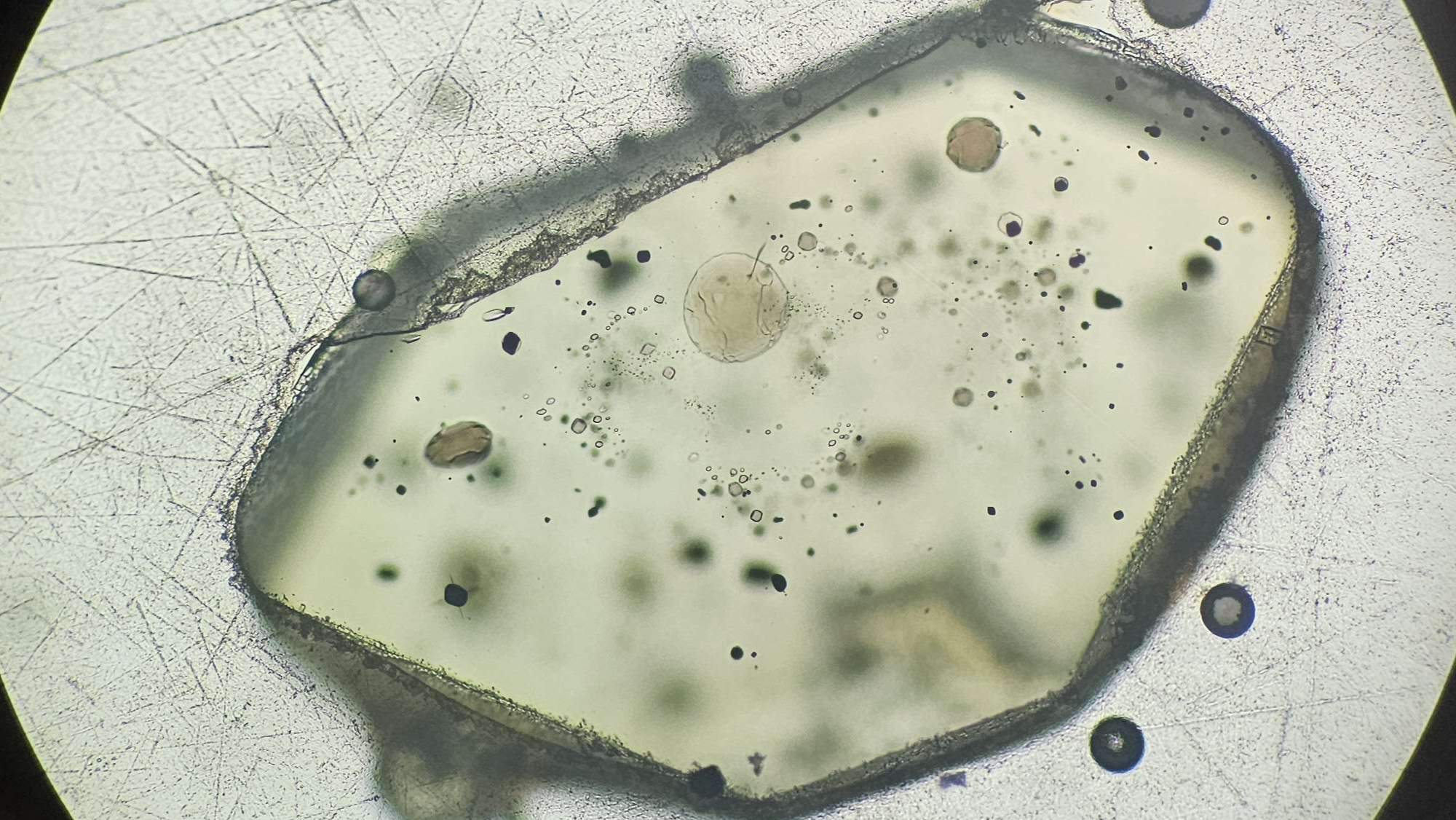
A New Origin Story for Earth’s Carbon
An analysis of volcanic rocks bearing an isotopic signature from Earth’s core suggests meteorites delivered much of the planet’s carbon late in its formation.
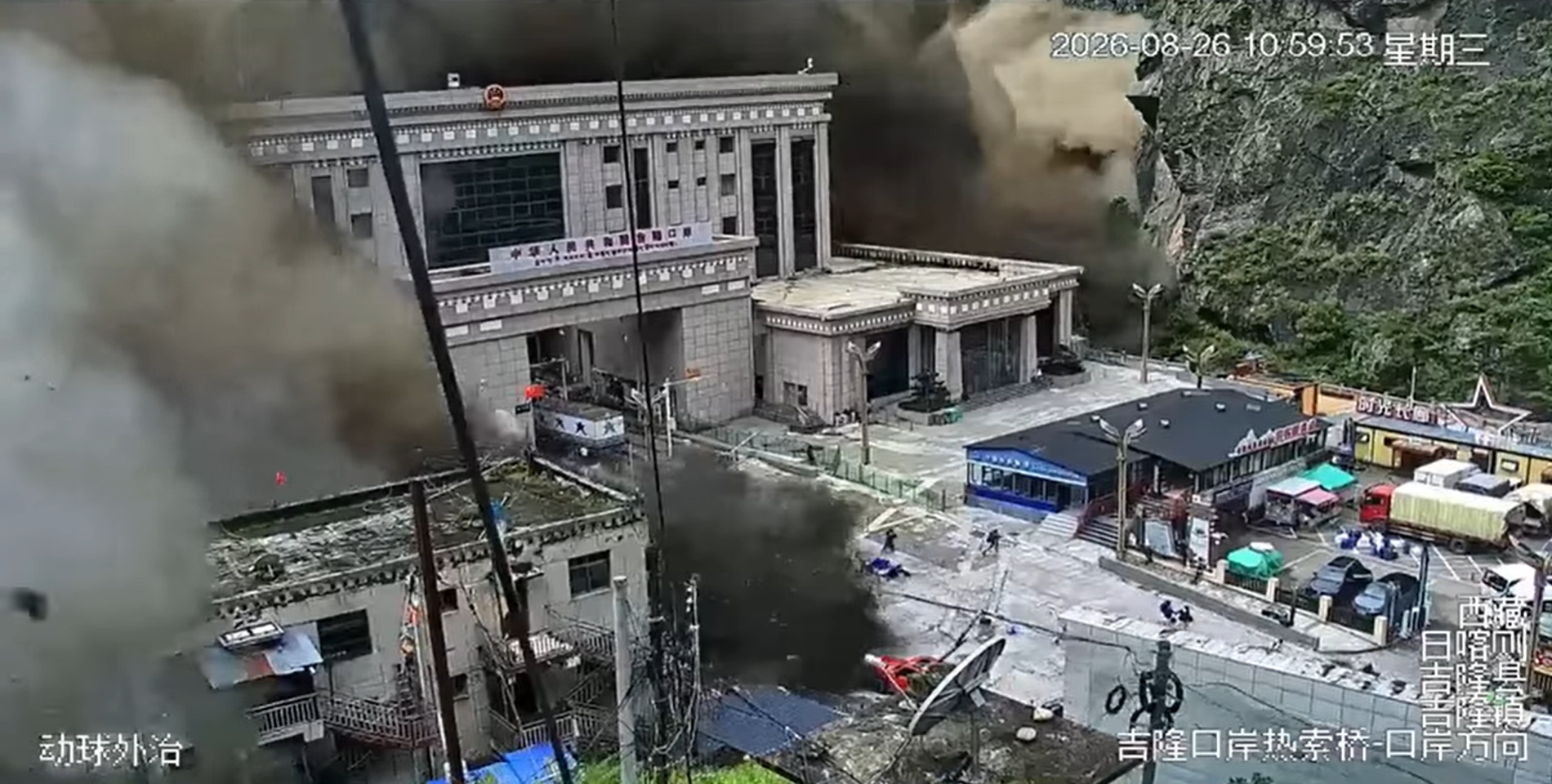
Nepal’s Deadliest Glacier Collapse Exposes Larger Risks
The disaster killed more than 1,500 people and took a tenth of Nepal's power capacity off the grid. Unlike the glacial lake outburst floods Nepal monitors, an ice-rock avalanche gives forecasters little warning.
How the Energy Crises of the 1970s Shaped Today’s Climate Politics
Science historian and Climate School professor Leah Aronowsky discusses her ongoing book project sparked by the 1970s energy crisis.

New Report Urges Caution in the Race for Space-Based Data Centers
The report warns that space-based data centers are likely to become a reality within the next few years—well before the risks of large-scale deployment can be fully understood.
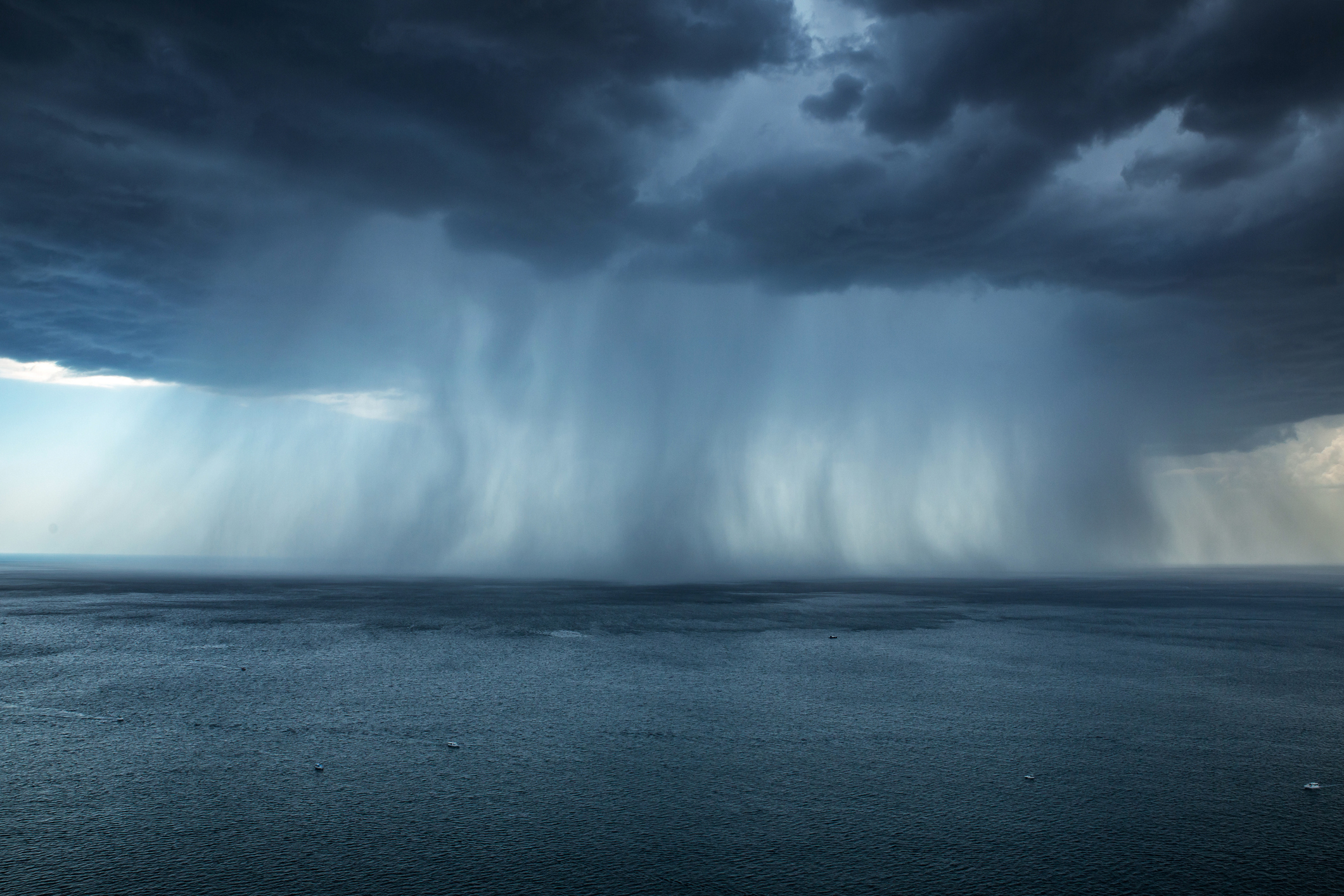
Rain May Increase Ocean Carbon Uptake More Than We Thought
A Lamont-led study finds that global carbon budgets may underestimate how much carbon dioxide the ocean absorbs by roughly 5% to 15% because they do not fully account for the effects of rain.
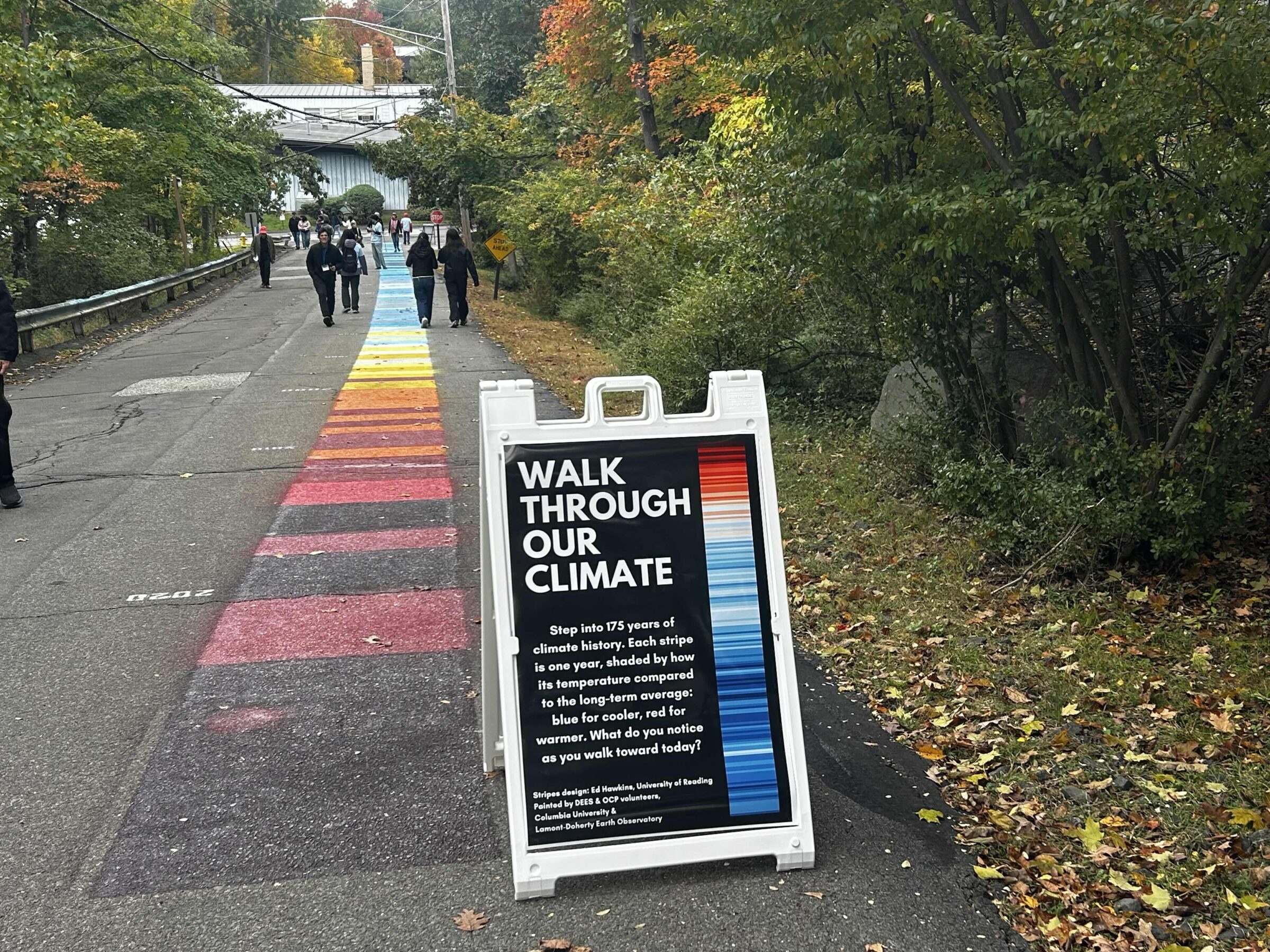
From Landslides to Lava: A Journalism Student’s First Lamont Open House
Oobleck, seismology and seafloor sediments bring Earth science alive during the observatory’s annual public celebration.
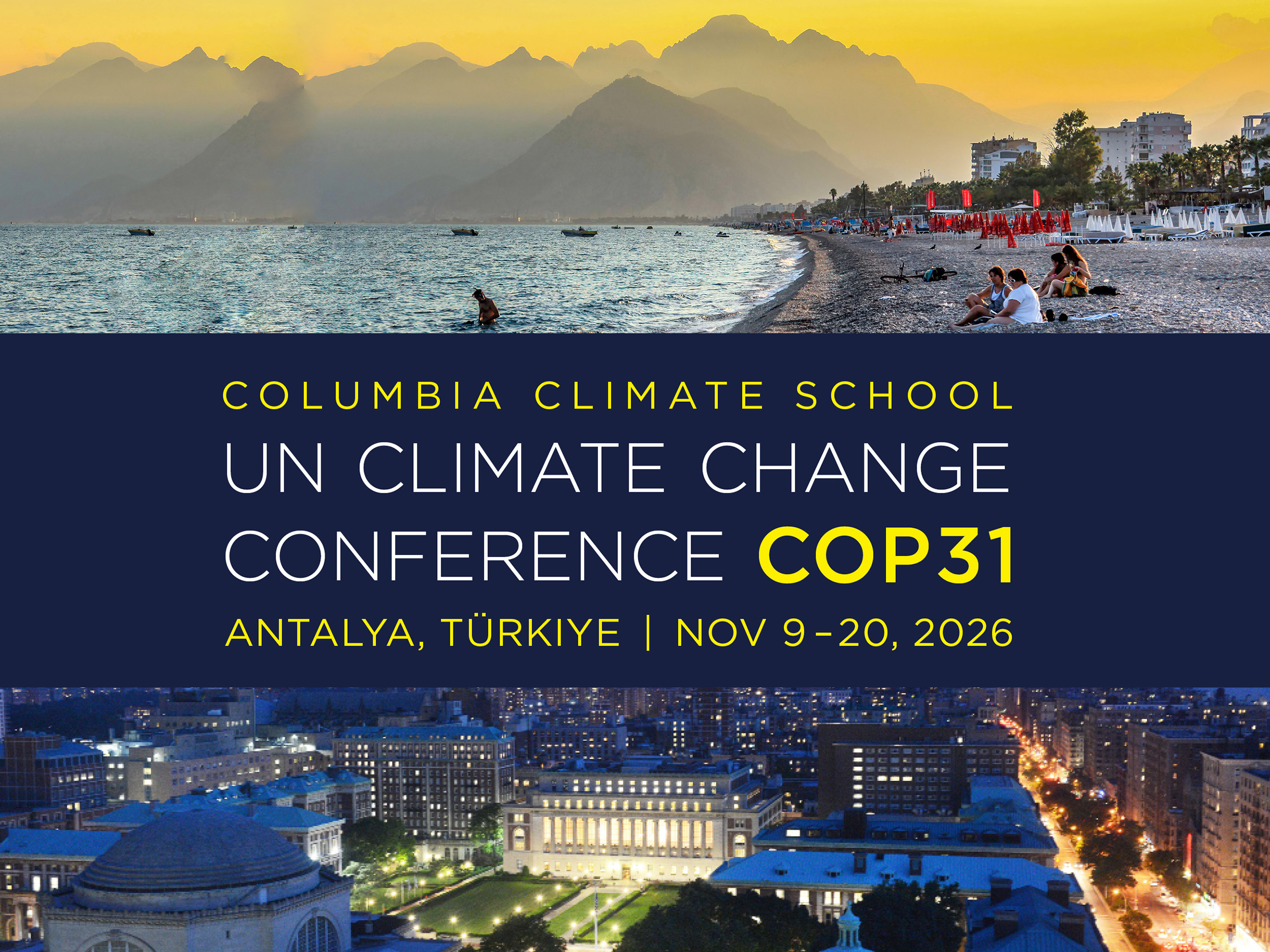
Climate School Representatives Share Their Hopes for COP31
Columbia attendees share their plans for turning global climate commitments into action at this year's climate summit.
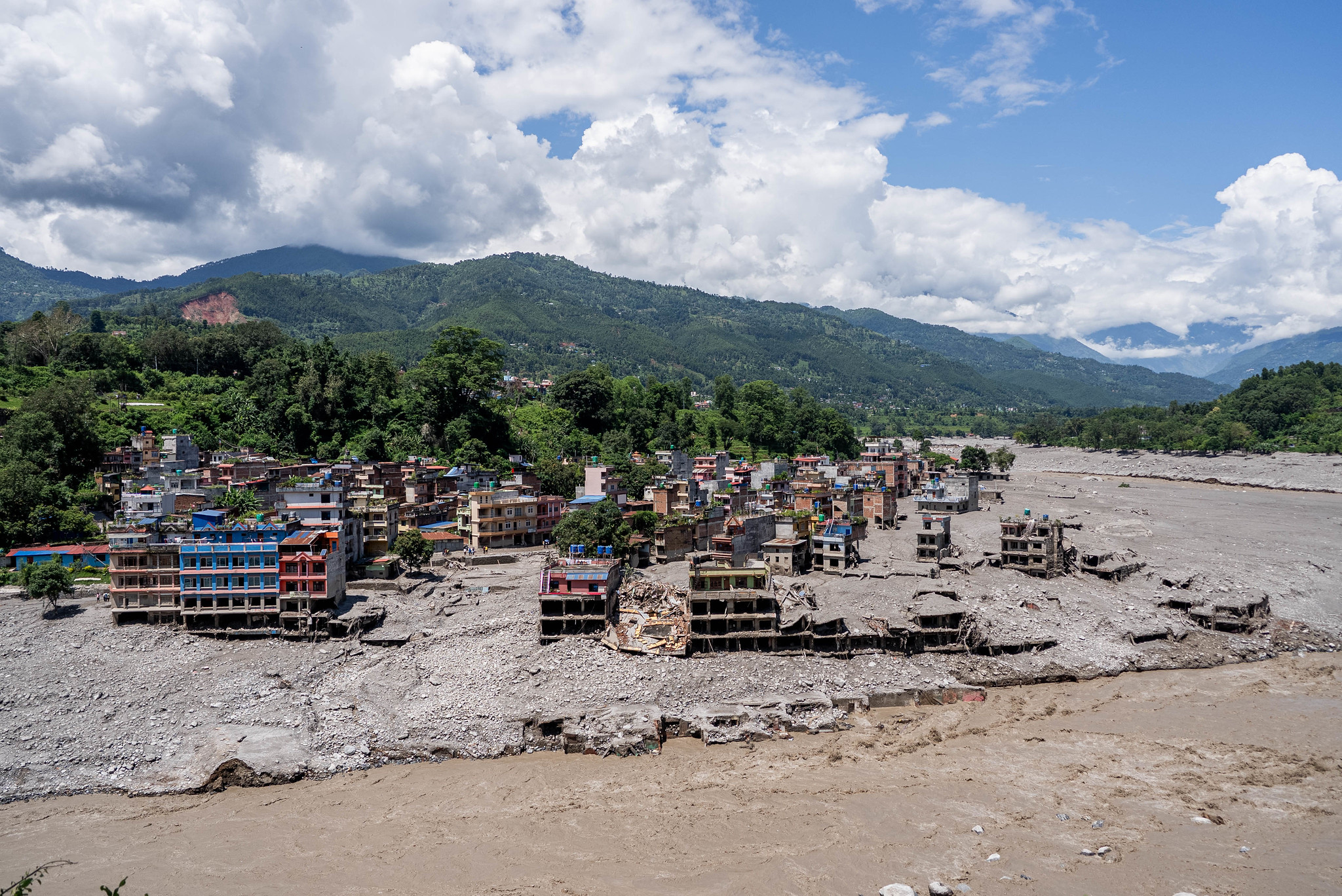
The Next Warning Must Reach People Before the Water Does
Climate scientist Marco Tedesco reflects on moderating a recent U.N. panel about early warning in a time of melting ice and sea-level rise, and why this work must extend beyond COP31.
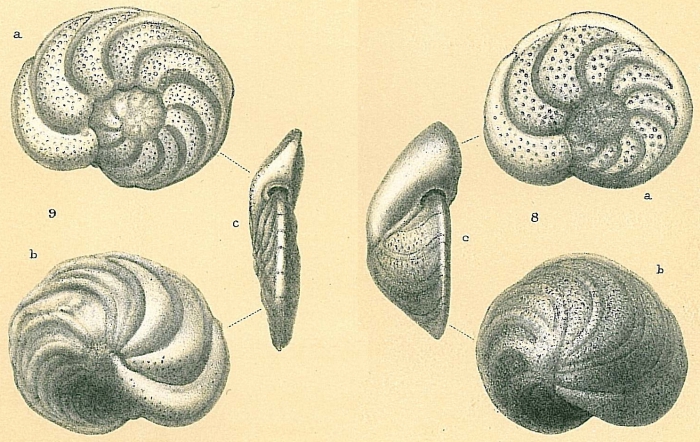
October Research Roundup: Select Papers
In this month's research roundup, we explore how delayed climate action could trigger abrupt changes in the Arctic; what ancient ocean sediments reveal about carbon storage during the last ice age; how fiber-optic cables are improving earthquake monitoring at geothermal sites; and a new timeline of Earth's magnetic reversals.
Asia’s Glaciers Have Become a Diplomatic Talking Point
As glaciers continue to shrink, important questions around glacier diplomacy and water supply played out among Central Asian nations during the Shanghai Cooperation Organization summit in Kyrgyzstan.