At What Point Managed Retreat? Resilience, Relocation and Climate Justice Conference
- Lead PI: Radley M. Horton , Dr. Alexander de Sherbinin, Hayley Martinez
- June 2021 - June 2021
- Inactive
- Global
- Project Type: Outreach
DESCRIPTION: Building on the success of the 2019 conference on Managed Retreat, the 2021 conference addressed a range of scientific, social, policy and governance issues around managed retreat (also known as strategic realignment and planned relocation). The conference, a major initiative of the Columbia Climate School and its Earth Institute, brought together over 900 stakeholders from the public, private and nonprofit sectors, together with academics, scientists, and community representatives, to help develop a common understanding of this complex issue, and move the needle toward equitable solutions. A major emphasis was on issues of environmental justice, in recognition that the people most impacted by decisions around retreat have a key role in these conversations.
KEYWORDS
climate justice managed retreat climate change adaptation environmental justice climate change resilienceTHEMES
Modeling and Adapting to Future ClimateMULTIMEDIA
View 2021 conference recordings.
RELATED ARTICLES

New Report Urges Caution in the Race for Space-Based Data Centers
The report warns that space-based data centers are likely to become a reality within the next few years—well before the risks of large-scale deployment can be fully understood.
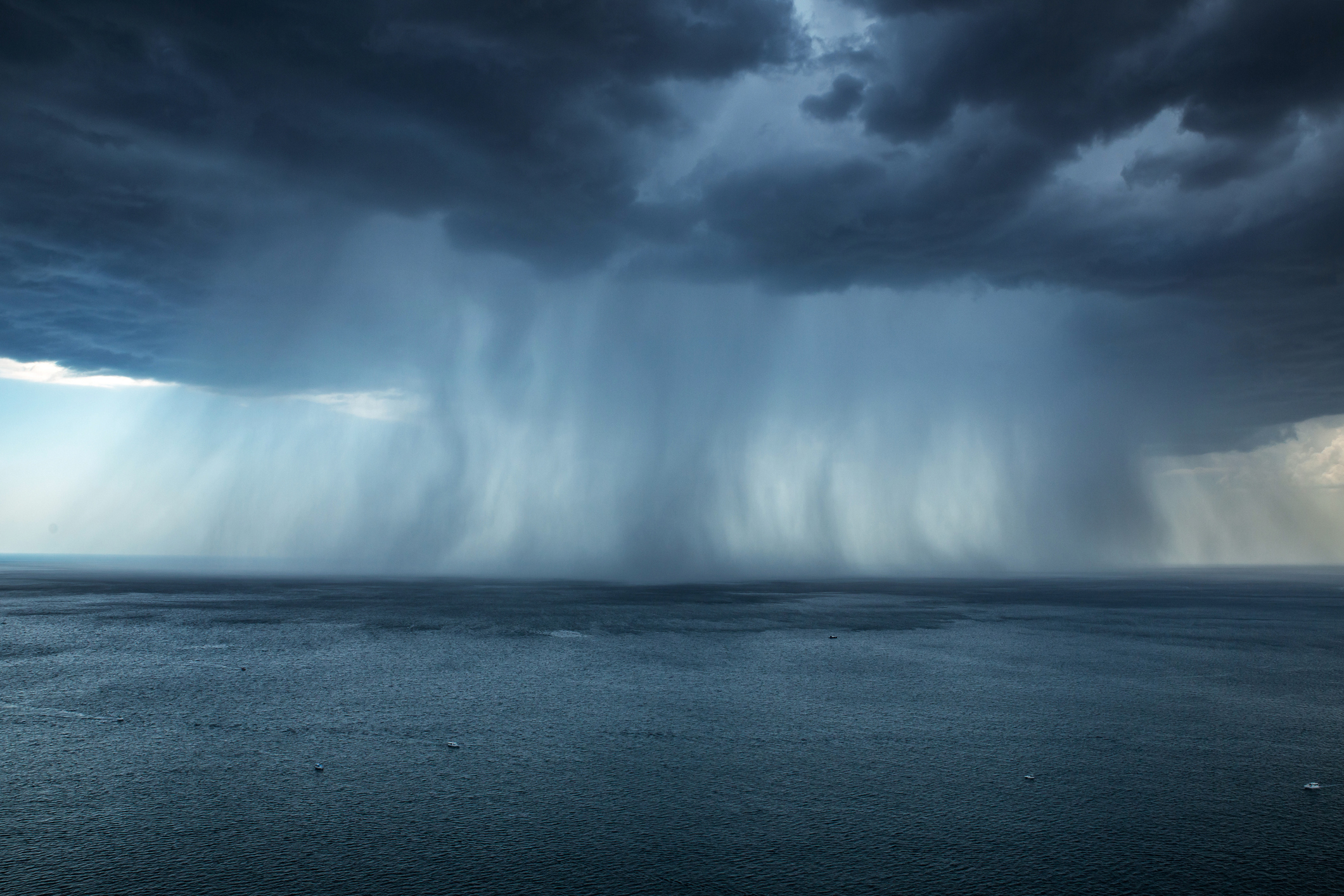
Rain May Increase Ocean Carbon Uptake More Than We Thought
A Lamont-led study finds that global carbon budgets may underestimate how much carbon dioxide the ocean absorbs by roughly 5% to 15% because they do not fully account for the effects of rain.
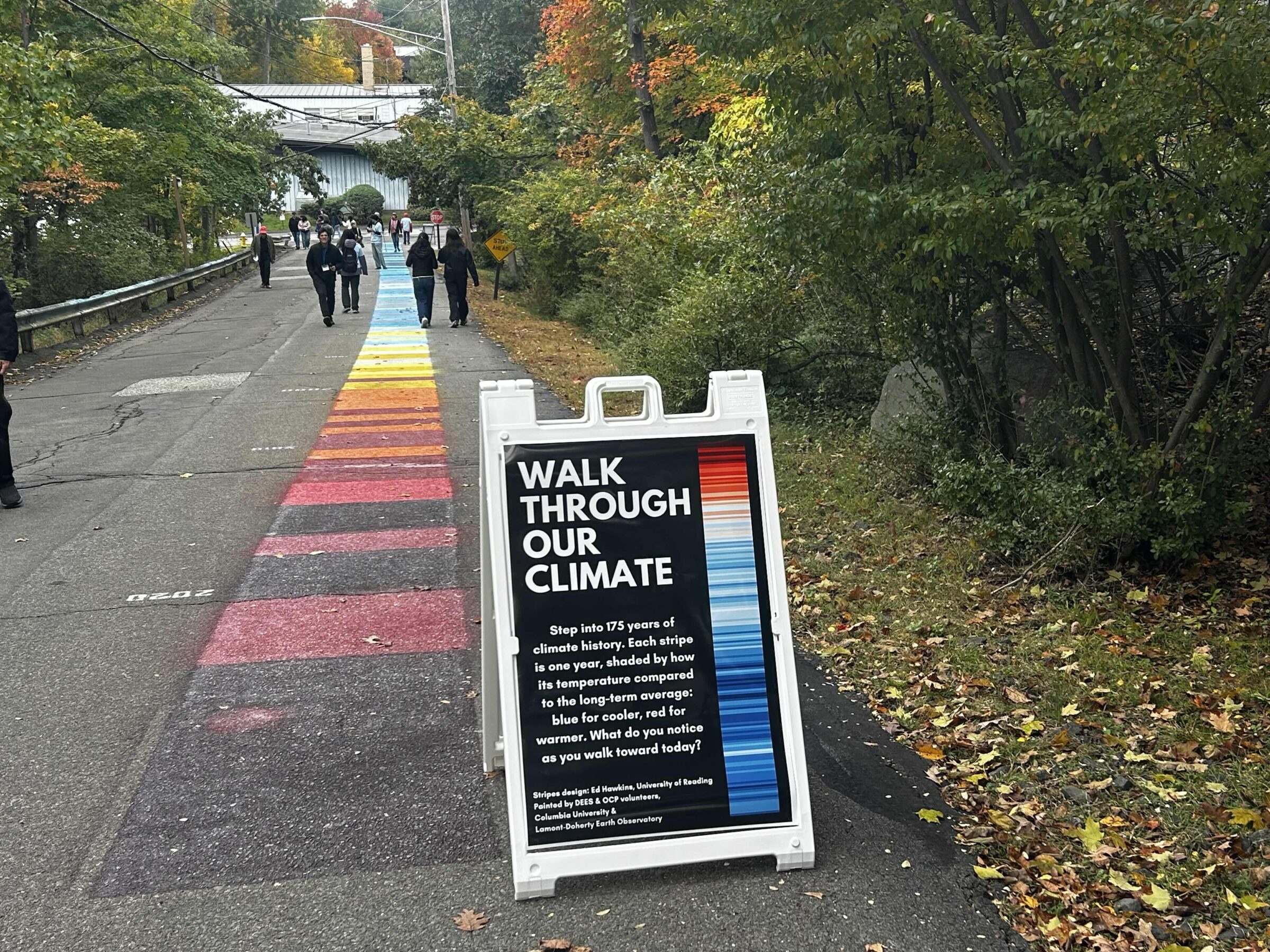
From Landslides to Lava: A Journalism Student’s First Lamont Open House
Oobleck, seismology and seafloor sediments bring Earth science alive during the observatory’s annual public celebration.
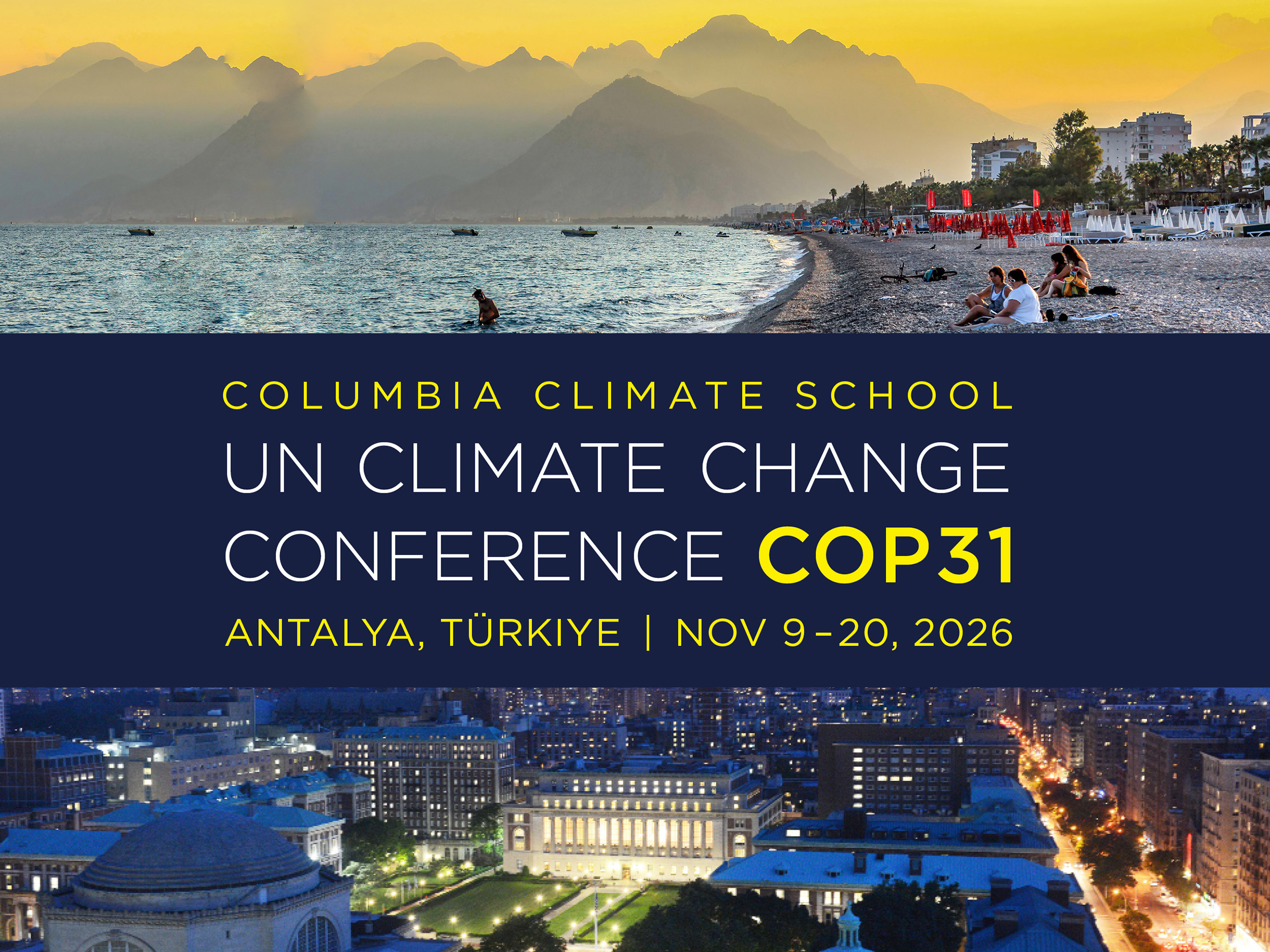
Climate School Representatives Share Their Hopes for COP31
Columbia attendees share their plans for turning global climate commitments into action at this year's climate summit.
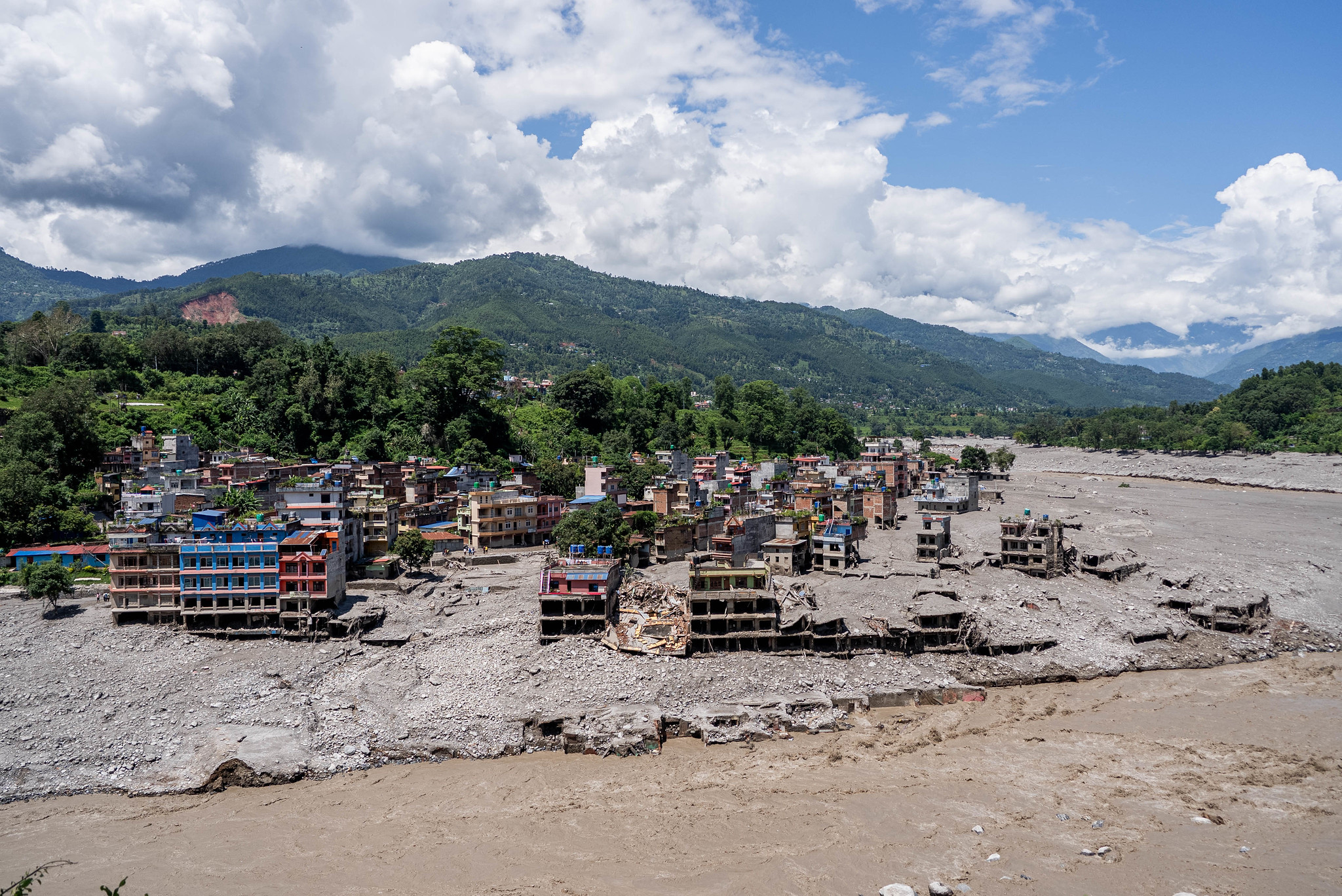
The Next Warning Must Reach People Before the Water Does
Climate scientist Marco Tedesco reflects on moderating a recent U.N. panel about early warning in a time of melting ice and sea-level rise, and why this work must extend beyond COP31.

October Research Roundup: Select Papers
In this month's research roundup, we explore how delayed climate action could trigger abrupt changes in the Arctic; what ancient ocean sediments reveal about carbon storage during the last ice age; how fiber-optic cables are improving earthquake monitoring at geothermal sites; and a new timeline of Earth's magnetic reversals.
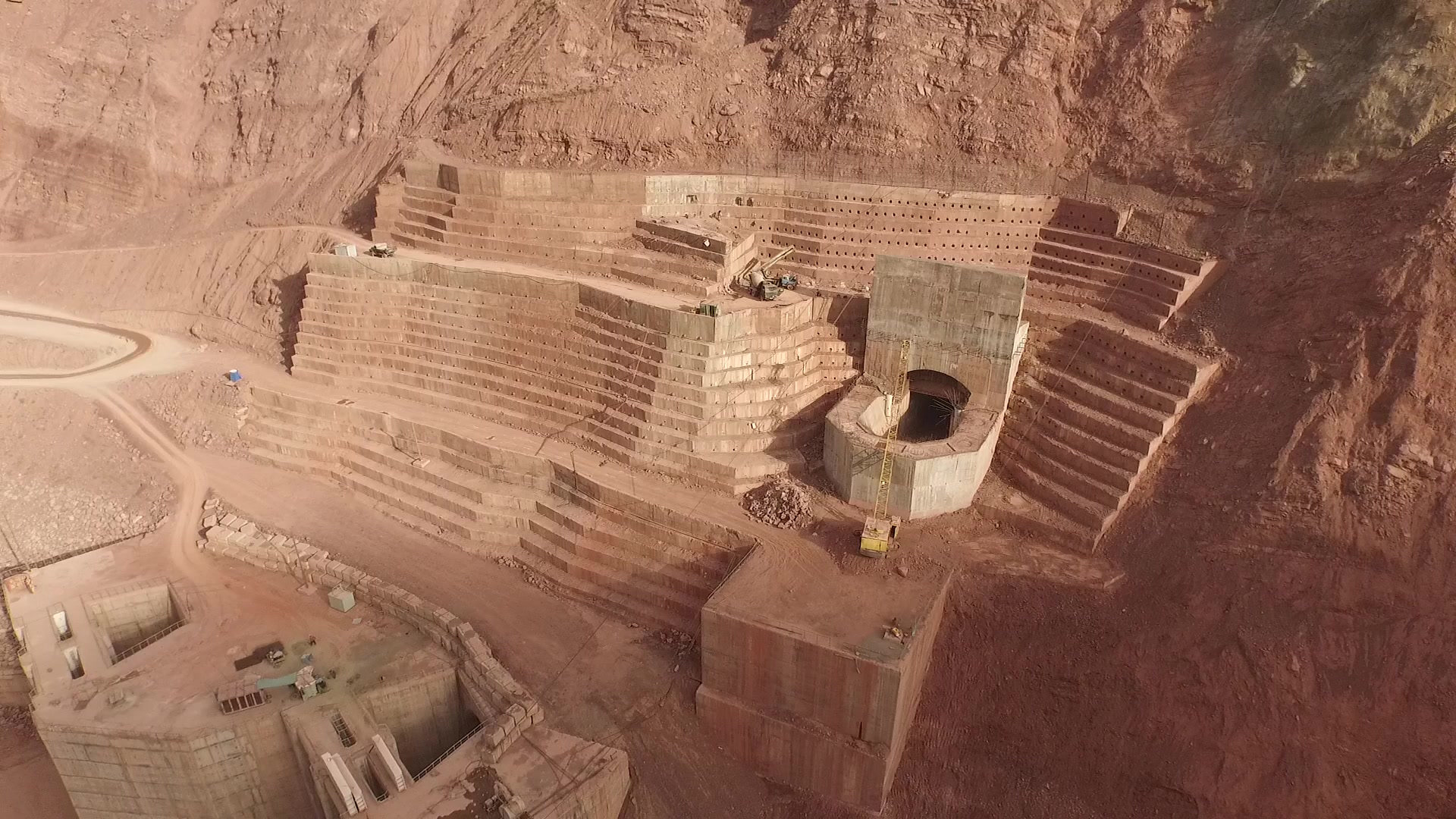
Asia’s Glaciers Have Become a Diplomatic Talking Point
As glaciers continue to shrink, important questions around glacier diplomacy and water supply played out among Central Asian nations during the Shanghai Cooperation Organization summit in Kyrgyzstan.

How Rollie Williams Turned Climate Science Into Comedy
Williams has channeled his experience as a comedian and his M.A. in Climate and Society to create "Climate Town," a popular YouTube series and media company that uses meticulously researched satire to explain climate and energy issues.

Event Recap: “The Rise of Agentic AI: What It Means for Climate Innovation”
Panelists discussed how agentic AI is beginning to reshape Earth systems modeling, improve climate predictions and support adaptive decision-making.
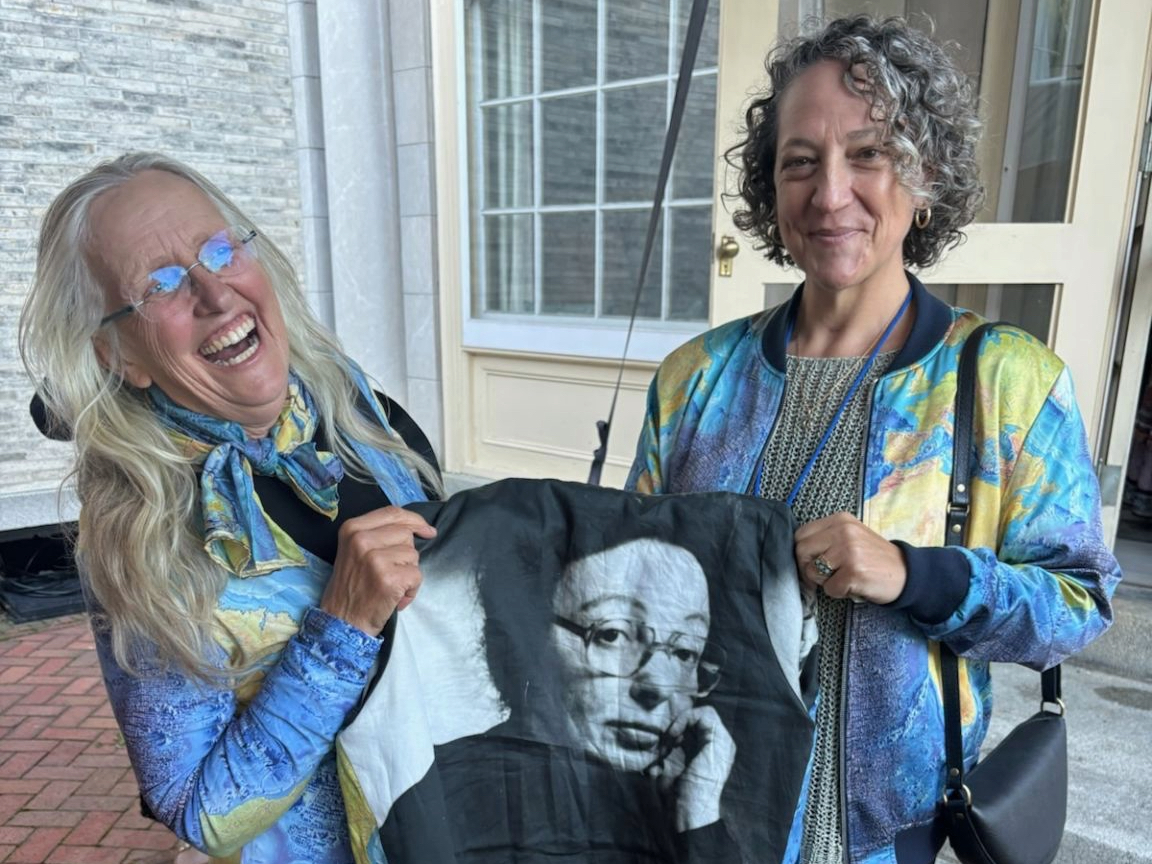
Two Lamont Scientists Celebrate Marie Tharp’s Hall of Fame Induction—and Carry Her Legacy Forward
Robin Bell and Vicki Ferrini reflect on Tharp’s induction into the National Women’s Hall of Fame and how her groundbreaking ocean-floor maps helped establish the theory of plate tectonics.